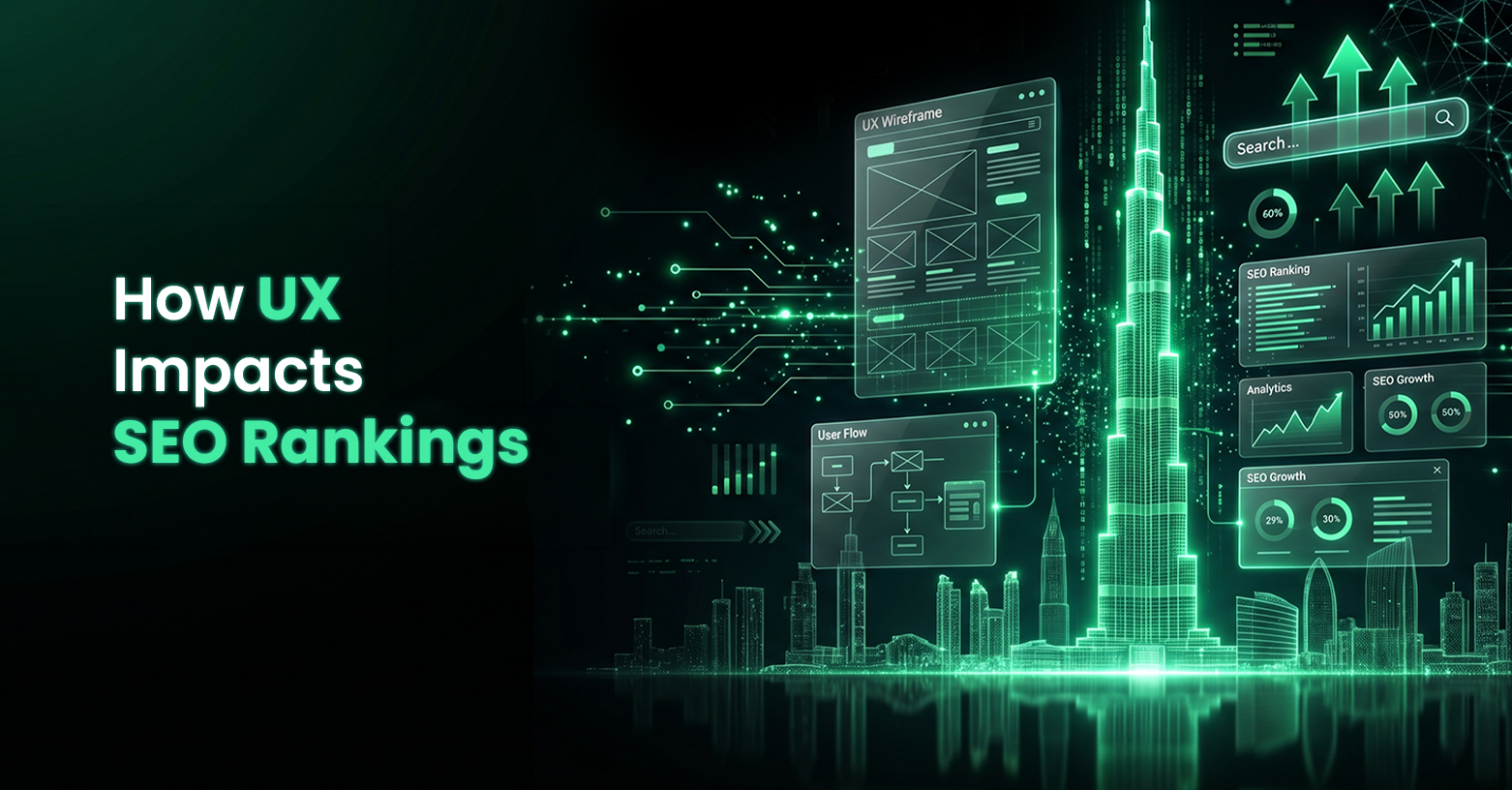
User experience plays an essential role in determining how websites perform in search results. Search engines aim to deliver websites that provide helpful information while offering smooth and engaging browsing experiences. Because of this, SEO is no longer limited to keywords and backlinks alone.
Today, website usability, speed, and structure influence how search engines evaluate a site. Businesses that invest in better user experiences often see stronger SEO performance because visitors stay longer and interact more with the website. A thorough SEO audit is usually the fastest way to spot the UX issues that are quietly holding your rankings back.
Understanding the connection between user experience and search optimization helps businesses build websites that satisfy both search engines and users at the same time.

Understanding the Connection Between UX and SEO
The term user experience describes how visitors engage with a website. It includes navigation, design, readability, and page performance. Search engines analyze these factors to determine whether a website provides genuine value to users.
A well-planned strategy for SEO focuses on improving how users move through a website and access information. If visitors struggle to navigate pages or find content, they often leave quickly — and that drop-off sends a negative signal to search engines.
When user engagement improves, search engines recognize that the website provides a positive experience. This directly strengthens its rankings over time.
Website Speed and User Experience
One of the most crucial elements of user experience is website performance. Slow-loading pages frustrate visitors and often lead them to exit before any meaningful engagement happens.
Improving loading speed strengthens SEO because search engines prefer websites that provide fast and efficient browsing. Faster pages encourage users to explore more content and spend more time on the site. Many of these gains come from technical SEO work such as image compression, code optimization, and faster server response times.
Companies offering professional SEO services in Dubai routinely prioritize performance improvements as part of a complete optimization strategy.
Navigation and Website Structure
A well-organized website helps users easily find the information they need. Clear menus, internal links, and structured categories all improve navigation and usability.
An effective approach is to ensure that websites are easy to navigate and logically organized. When visitors move through pages smoothly, it increases engagement and improves overall performance. Strong internal linking and clean page structure are also core elements of on-page SEO.
Businesses that collaborate with SEO experts in Dubai often refine their website structures to support both usability and search visibility at once.
Mobile Experience and Rankings
Nowadays, the majority of internet traffic comes from mobile devices. Because of this, search engines prioritize websites that perform well on smartphones.
Mobile-friendly design is essential for improving SEO because it ensures users can access content easily on smaller screens. Responsive layouts and simple navigation improve usability for mobile visitors and reduce friction at every step.
Organizations that focus on mobile performance often strengthen their overall search engine optimization strategy and attract larger audiences.
Content Readability and Engagement
Content must be easy to understand. Long paragraphs or cluttered layouts can discourage users from continuing to read.
Improving readability supports better SEO because users are more likely to stay engaged with clear and well-structured content. Short paragraphs, descriptive headings, and organized information make websites easier to explore. A focused content strategy ensures every page is both useful and easy to read.
Experienced SEO experts in Dubai often recommend improving content presentation as one of the simplest ways to enhance user engagement.
Reducing Bounce Rates
Bounce rate measures how many visitors leave a website after viewing only one page. High bounce rates can indicate a poor user experience or content that does not match search intent.
A strong strategy for SEO focuses on encouraging visitors to explore multiple pages. Clear navigation and relevant content help users discover more information across the website. Aligning pages with real search intent — informed by proper keyword research — is one of the most effective ways to keep visitors engaged.
Lower bounce rates signal to search engines that the website offers valuable content, which can improve performance.
Building Trust Through Good UX
When it comes to how users engage with a website, trust is crucial. Clean design, clear information, and secure browsing all help create confidence among visitors.
When visitors trust a website, they are more likely to stay longer and return in the future. This positive behavior strengthens rankings because search engines prioritize reliable and user-friendly websites.
Many businesses offering SEO services focus on improving trust signals to enhance both user satisfaction and search performance simultaneously.
Long-Term Benefits of UX-Focused SEO
Websites that prioritize user experience often achieve sustainable growth in search visibility. A balanced approach that combines usability, performance, and optimization creates stronger, more durable results.
A well-developed strategy ensures that websites remain useful and accessible for visitors. Businesses that work with experienced SEO experts in Dubai often achieve better engagement and consistent search rankings.
Over time, strong user experience helps maintain stable performance even as search algorithms continue to evolve.
Conclusion
User experience and SEO are closely connected. Websites that provide fast-loading pages, simple navigation, and easy-to-read content tend to perform better in search results.
By focusing on usability alongside technical optimization, businesses can strengthen their online presence and attract more visitors. Combining strong user experience with a clear strategy allows organizations to build websites that deliver real value to users while achieving better search rankings.
Frequently Asked Questions
What is the relationship between UX and SEO?
User experience directly influences SEO because search engines prioritize websites that are easy to use, load quickly, and provide helpful information. Strong UX keeps visitors engaged, which signals quality to search engines.
How does website speed affect SEO?
Faster websites improve user satisfaction and reduce bounce rates, which helps search engines rank pages more favorably. Slow-loading pages frustrate visitors and often cause them to leave before engaging.
Why is mobile design important for SEO?
Most internet traffic now comes from mobile devices, so search engines prioritize mobile-friendly websites. Responsive layouts and simple navigation ensure users can access content easily on smaller screens.
Should businesses work with SEO experts in Dubai?
Yes. SEO experts in Dubai can help improve website usability, performance, and optimization strategies, aligning user experience with the technical and content factors that drive search rankings.